

Agriculture
The Spicy Heart of Mexican Identity
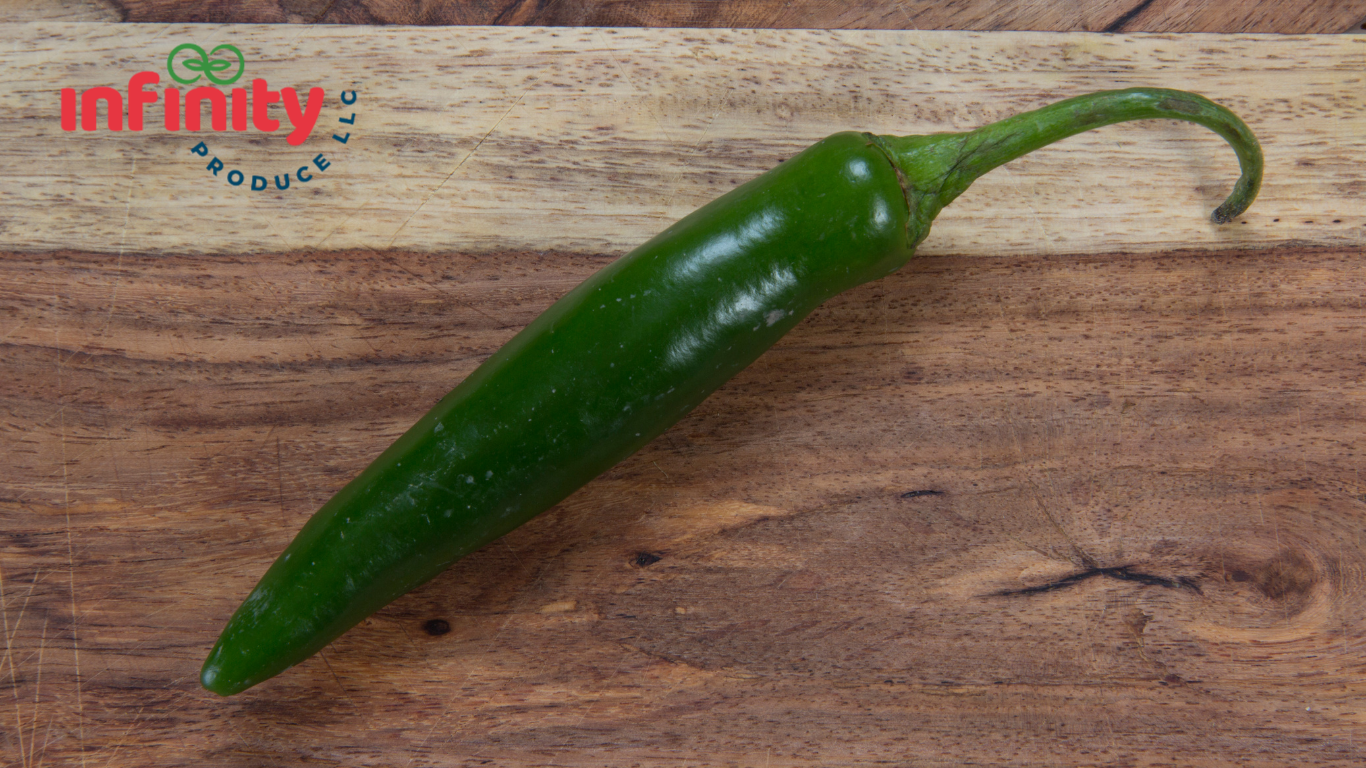
If there is one aroma that defines the kitchens of Mexico, it’s the scent of Serrano peppers (Capsicum annuum) blistering on a hot griddle. While it often sits in the shadow of the world-famous Jalapeño, the Serrano is the true "People’s Champ" of Mexican cuisine, offering a superior balance of crisp texture and sharp, biting heat.
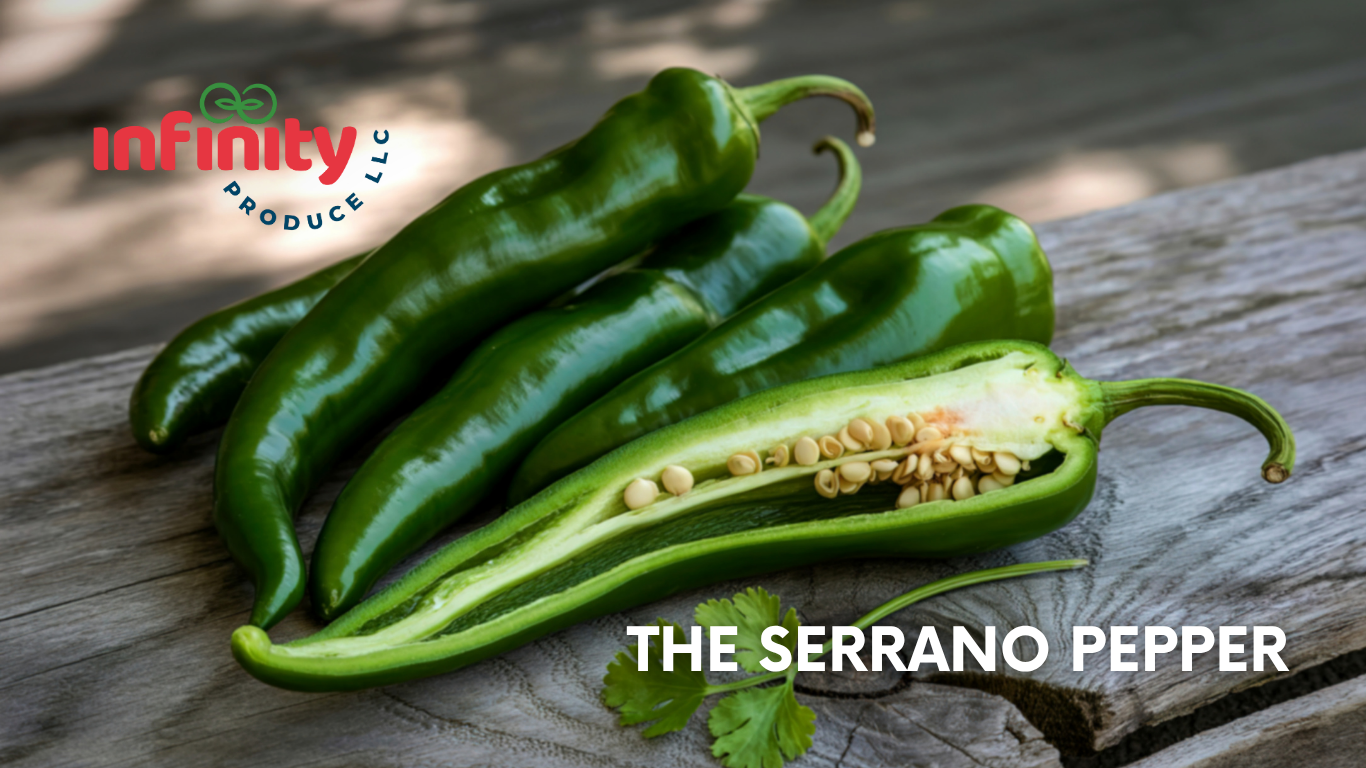
But the Serrano is more than just a condiment; it’s a pillar of biodiversity, health, and the global economy.
An Economic Powerhouse in the Field
The Serrano pepper doesn't just bring heat to the palate; it brings fire to the economy. Mexico remains the world’s leading producer and exporter, with states like Sinaloa, San Luis Potosí, and Tamaulipas spearheading the industry.
According to the Service for Agri-Food and Fisheries Information (SIAP), Mexico produces over 3 million tons of green chilies annually, with the Serrano consistently ranking as a top variety due to its high domestic demand and growing popularity in the U.S. and European markets.
Export Value: As a key component of the North American trade balance, the Serrano is a staple in the "Fresh Produce" category, frequently cited in international trade reports for its resilience and shelf life.
Nutritional Profile: The Overlooked Superfood
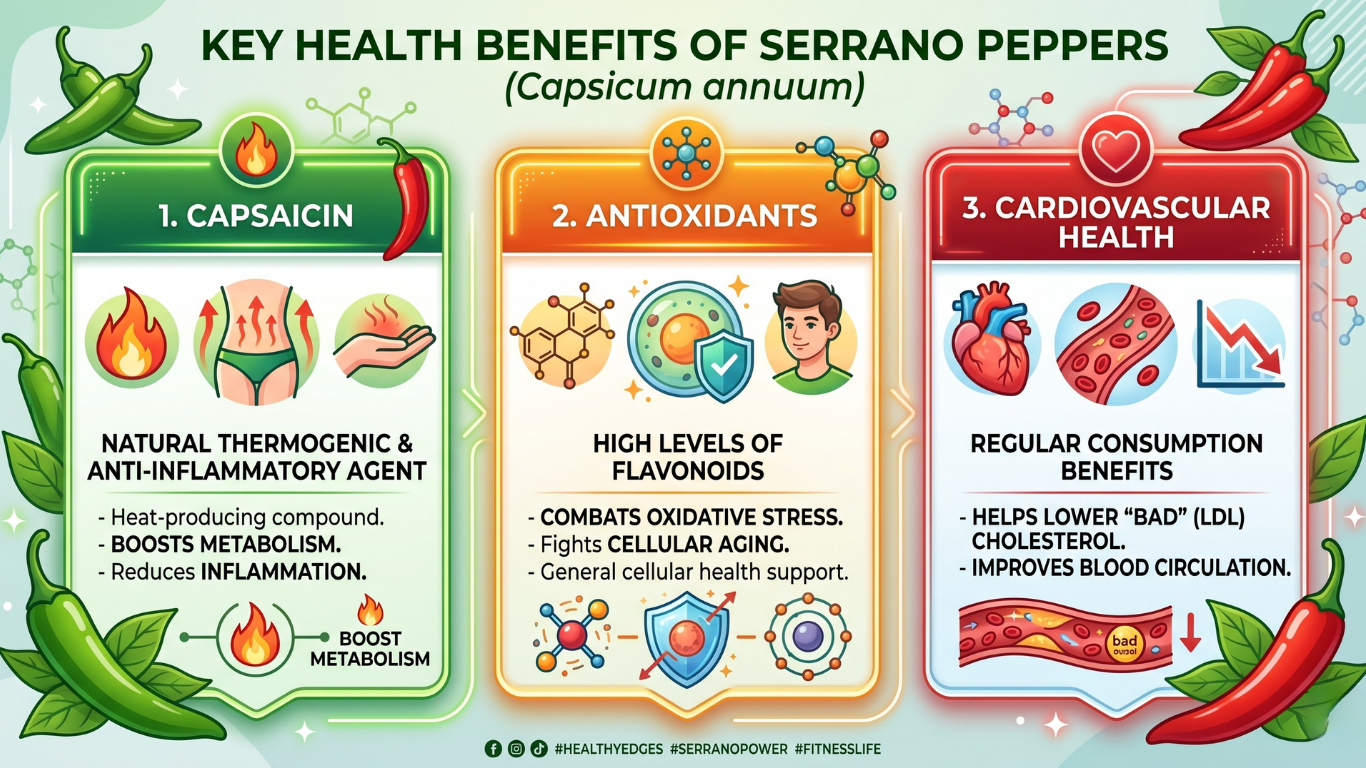
Beyond the burn, the Serrano is a nutritional powerhouse. Gram for gram, it contains significantly more Vitamin C than many citrus fruits and is a potent source of Vitamin A.
Culinary Versatility: From Mortar to Gourmet
Unlike other chilies that are often dried (like the Ancho or Guajillo), the Serrano is primarily consumed fresh. Its thin skin and meaty walls make it the ideal candidate for:
Fresh Salsas: It is the essential "kick" in a traditional Pico de Gallo.
Chiles Torreados: Searing the skin whole to release essential oils, a classic steakhouse side.
Pickling: Its firm texture holds up beautifully in vinegar-based brines.
Serrano Pepper Fast Facts (For the Curious)
The Serrano pepper is a symbol of resilience and flavor. Promoting its use is not just about appreciating a spicy ingredient; it’s about supporting local farmers and preserving a millenary tradition that continues to conquer the global culinary stage.